
Passport Verification India Casino
Passport Verification India Casino Guide
Passport verification in India should be treated as a high-sensitivity identity check, not as a simple upload step. A passport can confirm a person’s legal name, nationality, date of birth, photograph and document number, but it can also expose information that is difficult to replace if mishandled. For EN 365 readers, the safest approach is to view passport verification through the lens of privacy, data control and account-risk awareness.
A casino-related platform may describe passport verification as part of account security, age confirmation, identity review or payment protection. Those reasons can sound reasonable, but the user should still examine whether the request is specific and proportionate. A smooth Login process or professional-looking account dashboard does not automatically mean that document handling is safe. The real trust test begins when the platform asks for sensitive identity material.
Indian users should be especially careful because a passport is not a casual document. It may be used internationally, linked to travel records, connected to government identity systems and accepted across many formal verification environments. If a platform asks for passport details without explaining why they are needed, how they are stored, who reviews them and how long they remain on file, the request should be treated cautiously.
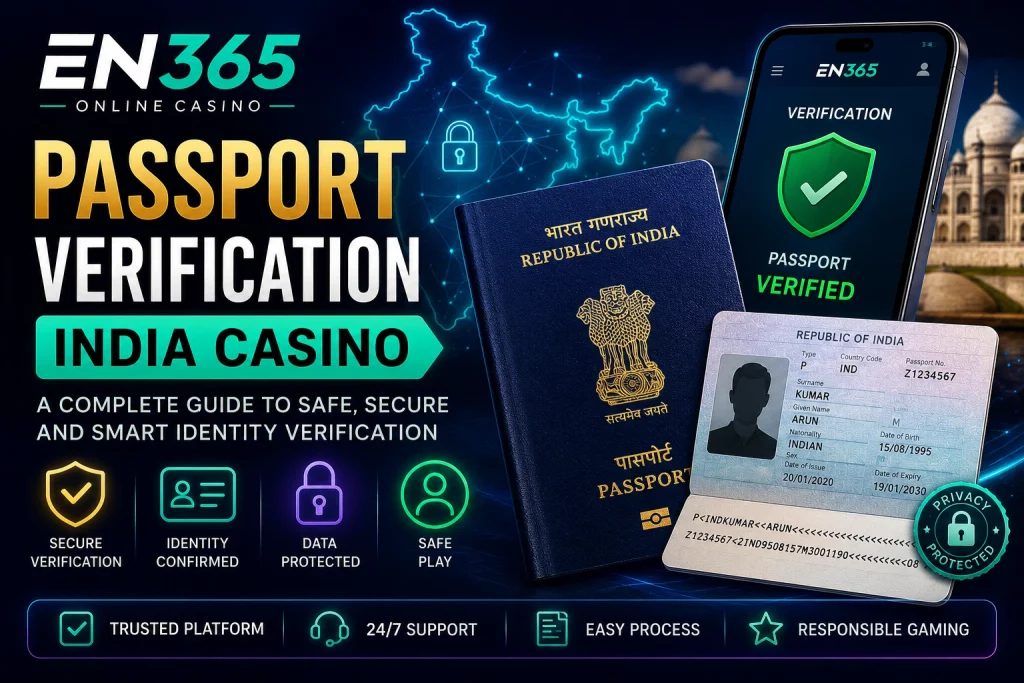
Why Passport Verification Requires Extra Caution
A passport contains several layers of personal information in one document. Unlike a basic profile field, it cannot be changed easily. If a user uploads a passport scan to an unreliable platform, the potential risk is more serious than losing access to an account. The document may include a legal name, photo, passport number, nationality, issue date, expiry date, place of birth and machine-readable zone. Some of these details can be used in identity checks beyond the original website.
A responsible verification process should explain the exact reason for requesting a passport instead of a less sensitive document. If the purpose is age confirmation, the platform should say so. If the purpose is identity consistency, it should explain which account details are being compared. If the purpose is payment ownership or risk review, the platform should not automatically request a passport unless the need is clearly justified.
Users should also check whether the platform gives guidance on masking or limiting visible details. Some verification checks may require the full document to remain visible, but the site should still explain this clearly. If there is no explanation, users are left guessing, and guessing is not acceptable when passport data is involved.
When a Passport Request Looks Reasonable
A passport request looks more reasonable when the platform explains why this specific document is needed and does not ask for unrelated files at the same time. A clear request should identify the review purpose, required image quality, accepted file type, review timing and support route. The user should be able to read privacy terms before uploading anything.
The request becomes weaker when it is vague. If a platform only says “upload passport for verification” without explaining the trigger, users cannot judge whether the request is proportionate. If the passport request appears suddenly after account activity, payment use or profile changes, the platform should explain what mismatch or review condition caused the request.
A responsible process should also avoid emotional pressure. Passport verification should not be connected to urgency, fear of losing access, or promotional pressure. A passport is too sensitive to upload quickly because a website creates a sense of hurry.
Passport Data and Long-Term Exposure
Passport data can remain useful to a user for years, which also means it can remain sensitive for years. A password can be changed. An email can be replaced. A passport number and identity image are different. If these details are mishandled, the user cannot simply reset them like a normal account credential.
This is why retention terms matter. Users should look for information about how long documents are stored, whether they are encrypted, who can access them, and how account closure affects stored files. If these details are absent, the platform has not provided enough information for a careful privacy decision.
For EN 365, the safest editorial position is caution-first. Passport verification should be explained as a high-trust checkpoint. A user should not share this document just because a platform asks for it. The platform should first explain the reason clearly enough to justify the risk.
Passport Upload Risks and Safer Review Patterns
Passport verification becomes more sensitive when the platform moves from a simple identity request to an actual document upload. At that point, the user is no longer only entering account information. They are sharing a file that may contain a photograph, passport number, date of birth, nationality, issue details, expiry date and machine-readable information. For Indian users, this should always be treated as a high-risk data transfer.
A safer review pattern starts with explanation. The platform should clarify why a passport is required instead of a less sensitive identity document, what details must be visible, what review stage triggered the request and how long the document may be stored. If the explanation is missing, the user should not assume the request is standard.
This is especially important when verification appears near a Bonus offer or promotional account flow. Marketing pressure should never influence passport-sharing decisions. A temporary offer has limited value, while passport exposure can create long-term privacy consequences.
How to Read the Passport Exposure Chart
The chart shows why passport verification deserves a higher privacy standard than ordinary account data. Basic profile details may expose a name, email or date of birth, but a passport combines multiple high-value identity elements in one official document. That concentration of information increases long-term sensitivity.
A passport image can include a legal photo, passport number, nationality details, issue information and machine-readable content. Even when the platform asks for the document for a narrow reason, the file itself may reveal more than the review needs. That is why users should expect clear guidance before upload.
The practical lesson is simple: passport verification should never be treated as routine. If a platform cannot explain why this document is necessary and how it will be protected, the user should pause before sharing it.
Why Passport Verification Should Not Be Rushed
A rushed verification process increases the chance of careless sharing. Users may upload a full passport image without checking whether the platform explains data storage, visibility requirements or support options. They may also submit extra documents because they want the account review to move faster.
This is risky because more documents do not automatically create a better verification result. They may simply create more data exposure. A serious platform should request only what is needed and explain why. It should not encourage users to send additional files “just in case.”
For Indian users, passport verification should remain separate from entertainment content, offers and reward prompts. A user can ignore a promotion, but once passport data is shared, the privacy impact may be harder to reverse.
Passport Review Sequence and Account Consistency
Passport verification often appears when a platform wants stronger identity confirmation than ordinary profile details can provide. The request may be connected to age review, name consistency, payment ownership, location checks, or account-security monitoring. For Indian users, the key issue is not only whether the passport can confirm identity. The more important issue is whether the platform explains the review sequence clearly before requesting such a sensitive document.
A transparent process should tell users what triggered the passport request. It should not simply move from account access to document upload without context. If the passport is being requested because account information does not match payment details, that should be stated. If the reason is age confirmation, the platform should explain why passport verification is needed. If the request is part of a broader security review, the user should know what kind of issue is being checked.
This matters after Sign up, because a quick registration process can hide how strict the later verification review may become. A user may create an account easily, then discover that passport data is required at a more sensitive stage. A credible platform should explain these expectations early enough for users to make a measured privacy decision.
Passport Verification and Payment Matching
Passport verification may become more sensitive when it is combined with payment matching. A platform may compare the passport name with account details, bank records, card ownership, wallet information or payment screenshots. This can be reasonable in some risk-control contexts, but the process should be explained clearly and kept proportionate.
The risk appears when users are asked for passport data and payment evidence at the same time without knowing the reason. A passport confirms legal identity, while payment records may reveal financial activity. When these two categories are combined, the platform receives a much broader view of the user. That is why support clarity is essential before any upload.
A good process should identify the mismatch or review purpose. It should explain whether the concern is name consistency, account ownership, transaction confirmation or document readability. A vague request for more files is not enough, especially when one of those files is a passport.
Passport Uploads on Mobile Interfaces
Mobile upload flows can make passport sharing feel faster and less serious than it really is. A user may open an Apк or mobile account page, take a quick photo and submit the file in seconds. The interface may look convenient, but speed can increase the chance of careless disclosure.
A passport photo may include glare, background objects, extra pages, document numbers or machine-readable information that the user has not reviewed carefully. A platform should slow the user down with clear instructions, not push the upload as a one-tap action. It should explain image requirements, document visibility and privacy conditions before the file is selected.
For Indian users, convenience should not override caution. Mobile verification is useful only when it preserves the same privacy standards as desktop review. If the mobile screen hides key terms or makes support hard to access, the process is not transparent enough.
How Expert Pages Should Frame Passport Verification
An expert verification page should avoid treating passport upload as a routine step. The content should help users understand why the document is sensitive, how review triggers work, and which signs indicate weak platform behaviour. It should also connect passport verification with broader privacy education rather than isolating it as a single account task.
For EN 365, this means passport content should sit near account safety, document protection, responsible-use guidance and general Games information only when the internal link helps the reader understand platform context. The link should not feel like a conversion push. It should support informed navigation.
A strong page does not encourage users to upload documents quickly. It gives them language for evaluating the request: What is the purpose? What details are required? Who reviews the file? How long is it stored? What happens if support gives unclear answers? These are the questions that make the article useful and credible.
Final Passport Verification Safety Review
Passport verification should end with a privacy decision, not with an automatic upload. For Indian users, the central question is whether the platform has explained enough to justify receiving an official identity document. A passport is not an ordinary account file. It can expose legal identity, nationality, date of birth, photograph, document number and long-term identity references in one place.
A safer verification process is specific, calm and documented. It tells users why the passport is needed, what details must be visible, how the file is protected, how long it may be retained and how support can be contacted before submission. A weaker process asks for the passport broadly, gives unclear reasons, or connects the upload to account pressure.
This is especially important when users move from entertainment pages such as Slots into identity-review screens. Browsing content and submitting passport data are different levels of risk. Once a platform requests official identity material, the user should slow down and evaluate the request as a serious privacy checkpoint.
How to Read the Final Passport Chart
The chart compares two verification patterns. A transparent passport review scores higher for purpose, visibility rules, storage terms, support and retention clarity, while keeping pressure low. A weak review explains less, asks for more and creates urgency around document upload.
This model is not a legal rating or a platform endorsement. It is a practical editorial filter for users who want to understand whether a passport request is proportionate. If the platform cannot explain why it needs the passport, what details are required and how the file will be handled, the request is incomplete from a privacy perspective.
Pressure level deserves special attention. If the platform links passport upload to urgent account access, sudden warnings, promotional prompts or unclear restrictions, users should pause. A passport should not be shared under emotional or time-based pressure.
Responsible Identity Protection for Indian Users
Responsible verification is not only about following platform instructions. It is also about protecting identity documents from unnecessary exposure. Indian users should treat passport data as one of the most sensitive files they may be asked to share online. The decision should be based on clarity, not convenience.
A credible platform should let users ask questions before upload. It should not make support difficult to reach, hide privacy terms or change document requirements without explanation. If support gives inconsistent answers, that is a sign that the process may not be reliable enough for passport data.
This is where a strong FAQ section can help. It should answer practical questions about why passport verification may be requested, whether alternative documents exist, how files are reviewed, what happens after rejection and how users can ask for data-handling clarification. The section should support caution rather than speed.
Final Advice on Passport Verification in India
Passport verification should be treated as a high-trust request. A user should not upload an official identity document simply because the platform asks for it. The request should be specific, proportionate and supported by readable privacy information.
The strongest standard is simple: purpose first, document control second, support third. If those three elements are present, the user can evaluate the request more carefully. If they are absent, the safer decision is to stop and reassess.
For EN 365, this page should position passport verification as part of wider user protection. It should connect naturally to privacy guidance, payment safety, account review and trusted Links resources. The goal is not to make verification sound difficult. The goal is to help readers understand when sharing passport data is a serious privacy decision.






Comments